


Arrows – Puzzle Escape Walkthrough
Find video walkthroughs for 259 Arrows – Puzzle Escape levels. Enter your level number and see how to clear the arrows without collisions.
Independent fan-made guides. Not affiliated with the game developer.
Browse levels
Recently updated
Game screenshots
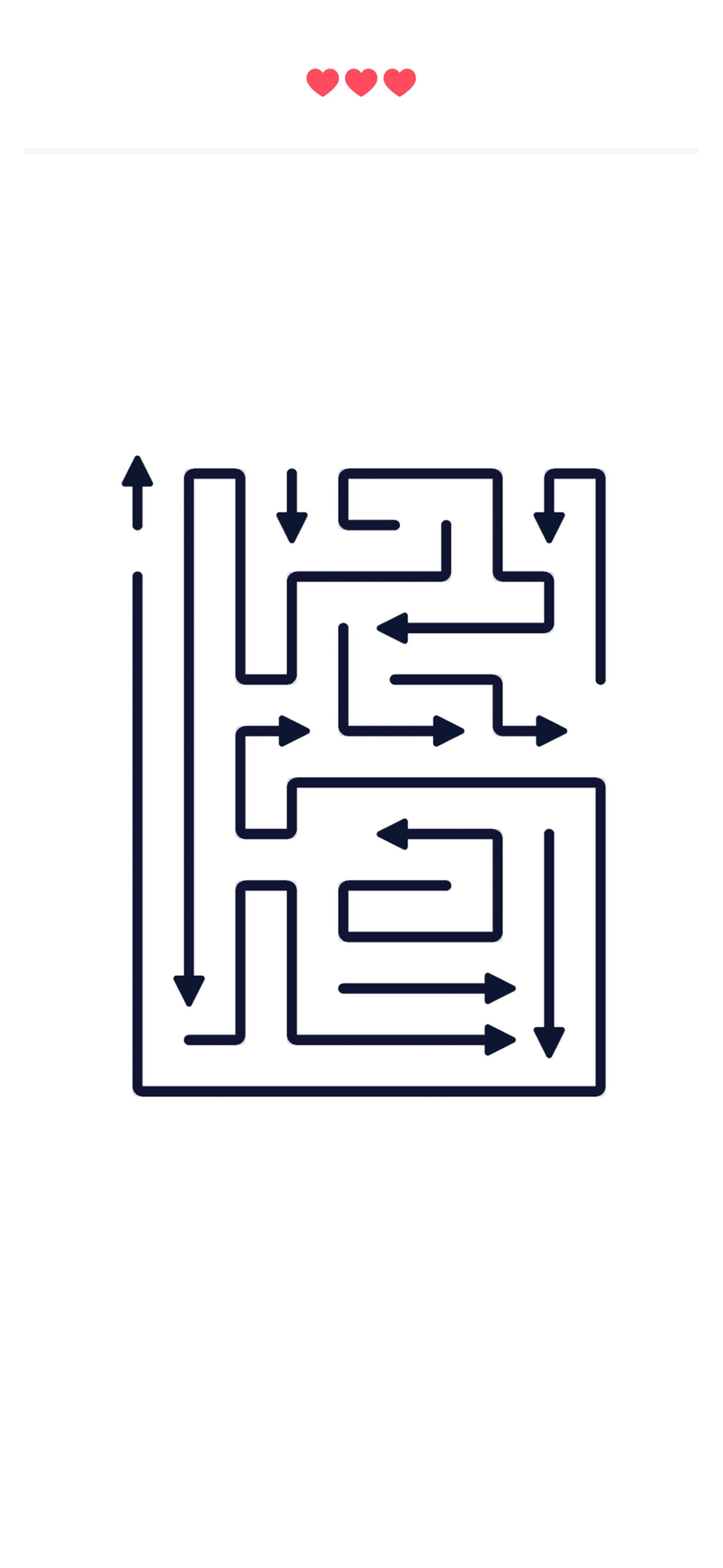
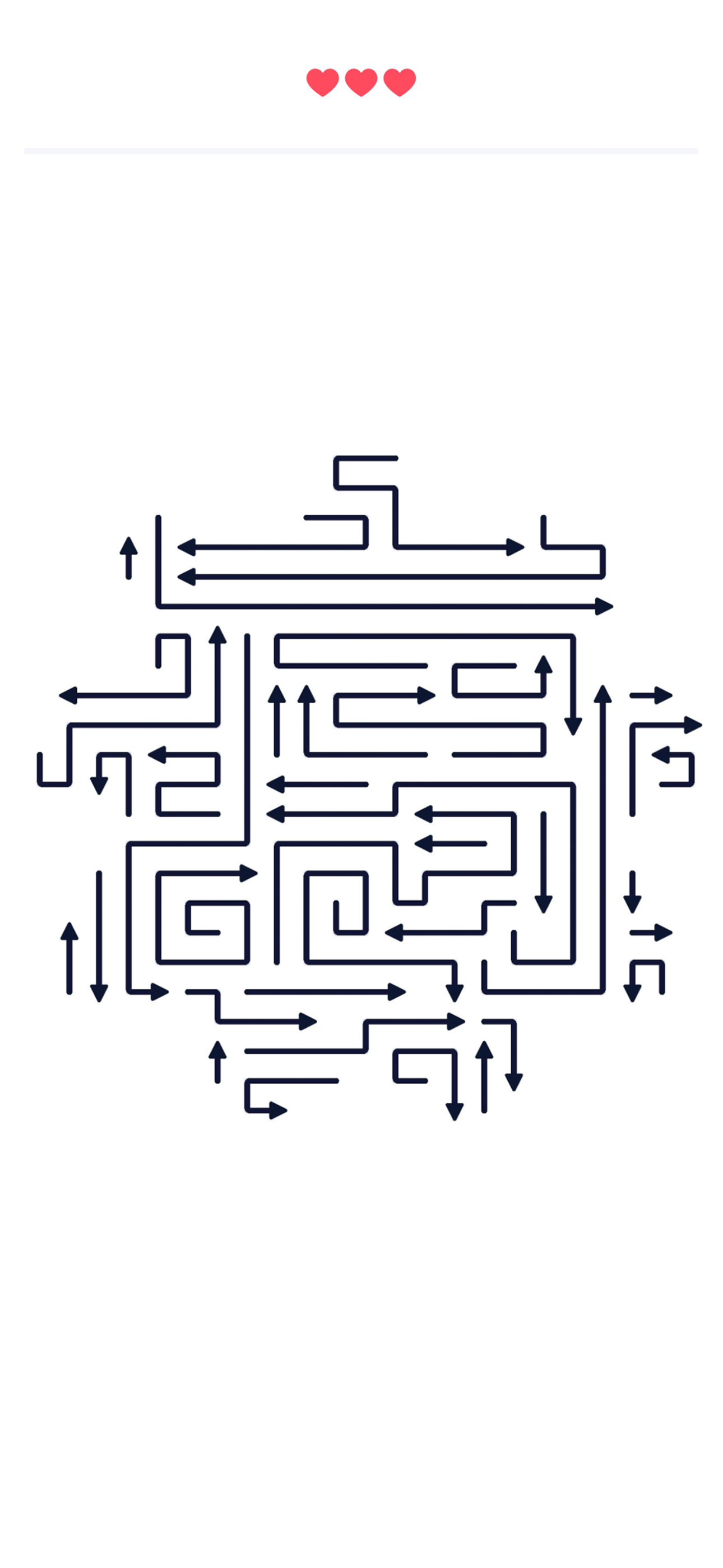
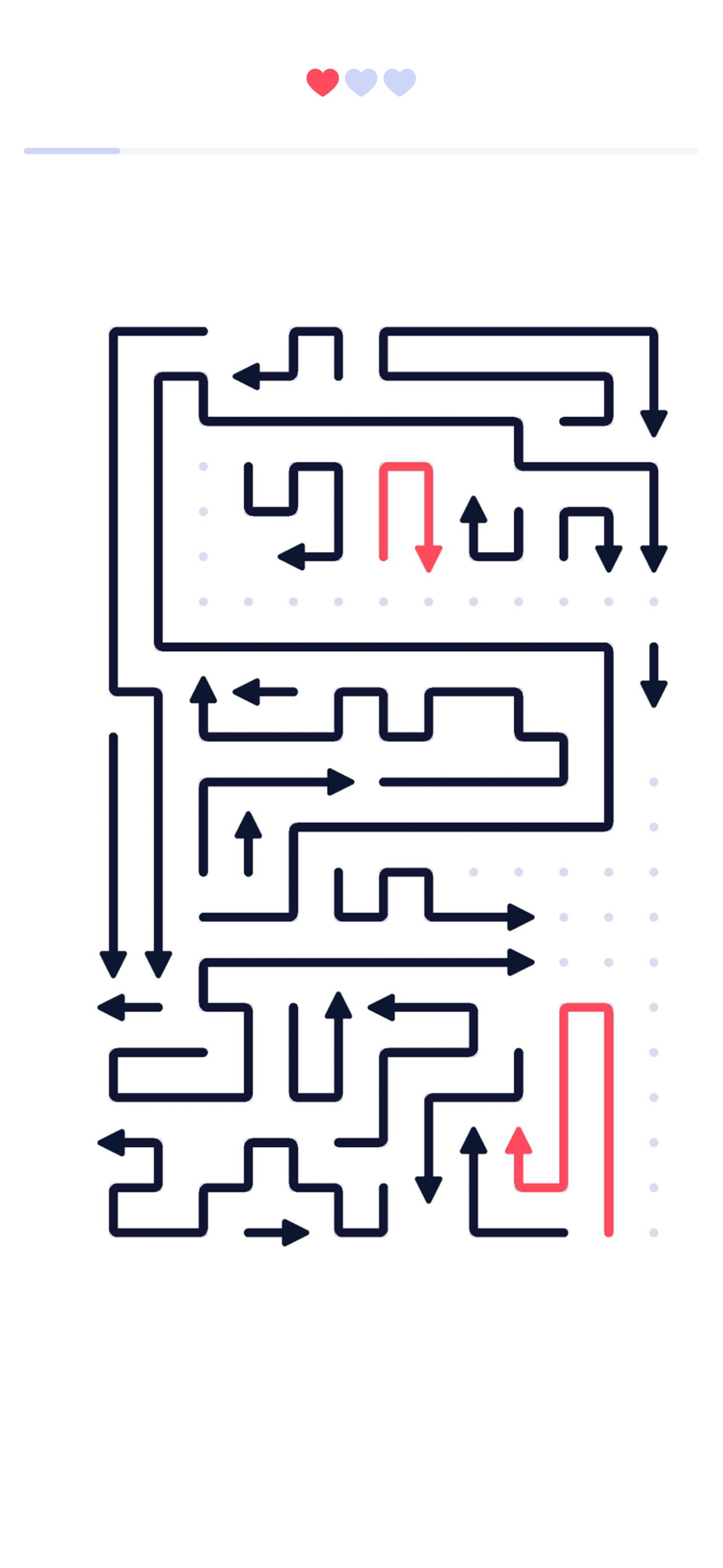
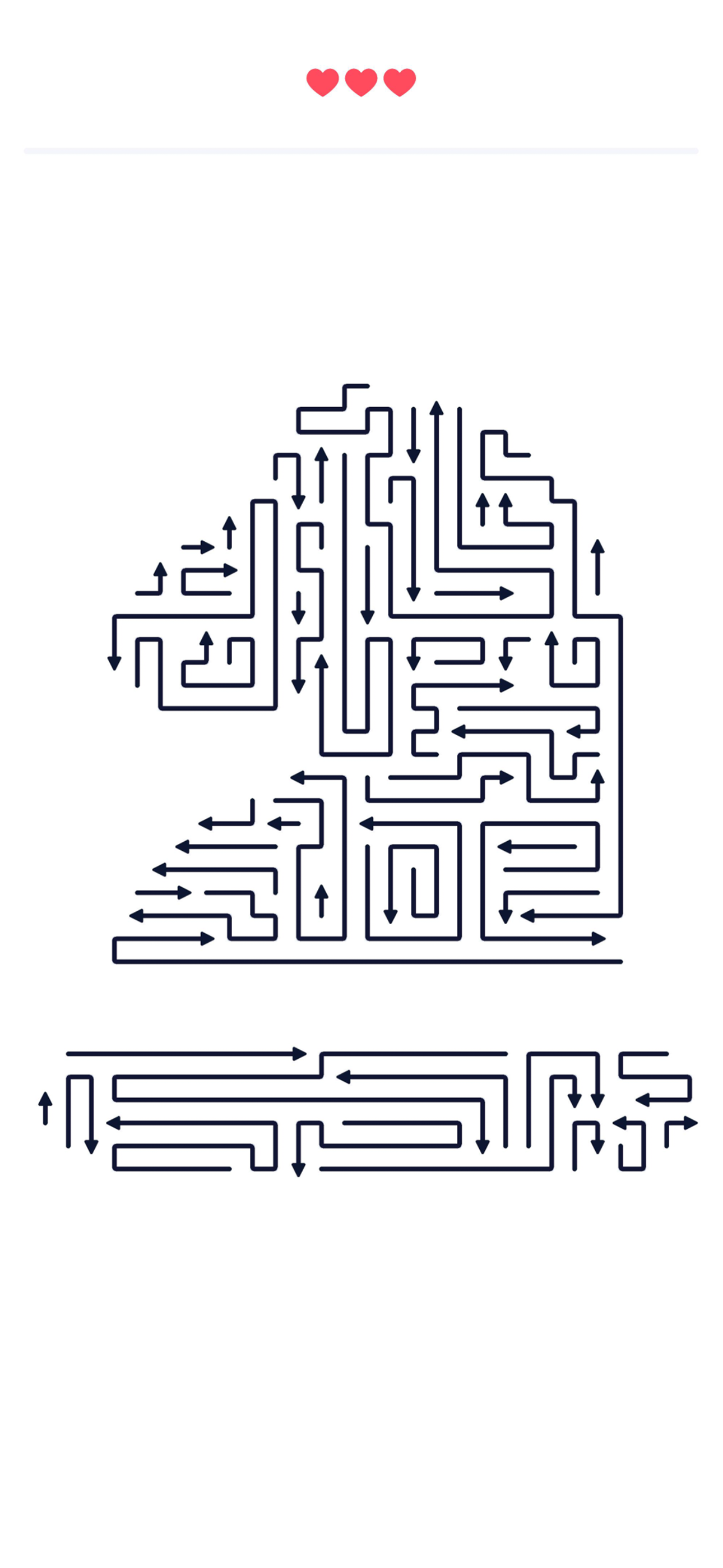
- Publisher
- Lessmore GmbH
- Platform
- Android, iPhone, iPad
- Guide coverage
- 259 levels
- Last updated
- Game store
- Google Play
 · App Store
Arrows – Puzzle Escape is a logic game by Lessmore GmbH for Android, iPhone and iPad. The goal is to remove all the arrows without sending one into another. Start by finding a head that points along a clear path to the edge, tap it, and check the paths that opened up. Use the level finder above when you want to compare your board with a video.
Read the arrowhead before you read the shape
A piece may have several right-angle turns, but the arrowhead tells you which way it leaves. Place your eyes just in front of the tip and follow a straight line until it reaches the boundary or touches another piece. A long arrow with an unobstructed path is safe to remove. A short one with its head near the edge can still be blocked by a line that crosses that final stretch. The length of the piece and the distance to the edge are poor substitutes for tracing that route.
Look for the piece that is doing the blocking
When the path from one arrowhead meets another line, follow that line to its own head. The second piece may point in a completely different direction. If its exit is already clear, remove it first and check the original arrow again. If the second piece is blocked too, follow its blocker or leave that cluster for later and look for a move elsewhere. This approach is especially useful in the middle of a packed board, where tapping a piece just because it looks isolated can cost a heart.
Treat an outer edge as a place to scan
Work along the outside in a consistent order. On the top edge, look for arrows facing up. On the right edge, check arrows facing right. Repeat for the bottom and left. Also check heads facing down an empty corridor inside the drawing, since an arrow can have a clear exit without touching the outline. After a few removals, return to the area where several paths used to cross. You will have fewer lines to trace and may see a route that was hard to follow at the start.
Use the empty space to keep your place
A dense board can look completely different after three or four taps. Pick a visual landmark, such as a long horizontal stroke or a U-shaped piece beside the border. Work outward from that landmark until it disappears, then choose a new one. If you need to resume after looking at a video, check the corner and the direction of the head as well as the shape. Several pieces may share the same shape, and the one facing the opposite way can have a different exit.
What the board tells you after a collision
The store screenshots show hearts at the top of the board and a blocked move marked in red. When you see that feedback, pause before trying again. Check the route in front of the blocked head and locate the first line in its path. That first contact is more informative than the overall shape. The game also has a hint system. If you use a hint, trace the route of the highlighted move so you can recognize the same opening later on a different puzzle.
Compare the first frame before following a walkthrough
Open the guide for the number shown in your game. When the recording starts, compare a few distinctive pieces in different parts of the board. Matching a corner alone is easy by chance. Matching the outline and several arrowheads gives you a better starting point. When the video covers several puzzles, begin at the part for your level. Pause after one move and check that the gap you see in the video also opened on your screen before following the next tap.
Keep playing when the recording and your board diverge
The safe moves you have available depend on the pieces still on the board. If you already removed some arrows, you can use the video to look at a piece that remains and then check its route yourself. If you see a different shape at the same number, use the general tracing method and pick a free head on your own screen. The level finder lists the guides currently available. A missing number in the guide index does not affect what you can play in the app.
Frequently asked questions
How do I play Arrows – Puzzle Escape?
Tap an arrow whose head points along a clear route out of the board. When the piece leaves, check the newly empty space for more exits. Keep doing this until the board is empty. If the path crosses another piece, trace that blocker to see which direction it can leave.
How many levels does Arrows – Puzzle Escape have?
The developer describes the collection as thousands of handcrafted puzzles and does not specify an exact total in the store description. The count in this guide shows how many numbered walkthroughs you can open. The last number in the guide does not establish where the game ends.
Why does an arrow stay on the board after I tap it?
Follow the direction from its tip and see where the route hits a line. That line belongs to a piece that has to move before this exit is free. The entire route matters, so check for an obstacle near the edge as well as one near the head.
Does a bent arrow turn on its way out?
Read the direction at the head. Bends show how the piece is drawn and which parts of the board it occupies. Trace a straight exit from the tip. You may need to follow a bend just to figure out which head belongs to a tail in a crowded part of the board.
Is there a timer on the puzzles?
The publisher describes the basic play as untimed. Take a moment to look along a path before you tap, especially if the board is packed with long pieces. The hearts shown in the store screenshots reflect the consequences of blocked moves and are separate from timing.
Is there a hint when I am stuck?
The store lists a hint system. Check the hint control visible in your version of the app. If you receive a suggested move, look at the direction and path before taking it. That helps you find the next opening yourself, especially if the hint exposes more than one possible exit.
Do I have to start at the edge?
The edge is a good place to look because an outward-facing arrow often has a short path to check. A piece near the center can also leave along a clear row or column. Follow the exact route in front of the head wherever it happens to be.